Exposure to headphone-generated noise and associated hearing risks in students
DOI:
https://doi.org/10.17532/jhsci.2025.2937Keywords:
Headphones, students, noise, hearing lossAbstract
Introduction: Noise is the leading cause of hearing loss worldwide. In recent years, reduced hearing ability among young people has been observed, along with an increased frequency of headphone use for sound transmission. The purpose of this study is to determine the frequency and patterns of headphone use for sound reproduction among students and to analyze their impact on the occurrence of symptoms associated with hearing loss.
Methods: The cross-sectional study included students from two public universities from three public faculties in Bosnia and Herzegovina. Both qualitative and quantitative analyses were used to process the results. To test the statistical significance of the findings, the Chi-square goodness-of-fit test was applied, with the level of statistical significance set at 0.01.
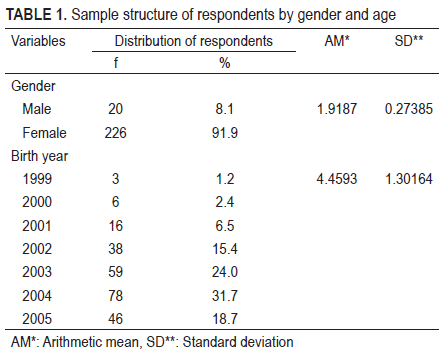
Results: The study sample included 246 participants and it was found that 77.6% of surveyed students use headphones for sound transmission. The longest duration of use was reported by 44.6% of participants, who had been using headphones for more than 5 years. The most common maximum daily use was up to 2 h (28.7%), while 67.5% of respondents reported using headphones every day, most often in the evening (46.4%). The Chi-square test showed statistically significant differences in the frequency of symptom occurrence following headphone use (χ2(6) = 55.466, p < 0.001). The most frequently reported symptoms were tinnitus (28.3%), a sensation of fullness and ear pressure (17.8%), and ear pain (16.2%).
Conclusion: The results indicate a high prevalence of headphone use among students, with many reporting daily use over several years. The analysis showed a statistically significant association between headphone use and the occurrence of hearing-related symptoms, suggesting a potential threat to the auditory health of young people. These findings highlight the need to educate youth on the safe use of headphones.
Downloads
Downloads
Published
Issue
Section
Categories
License
Copyright (c) 2025 Admira Beha, Alma Huremović, Naim Salkić, Edina Kuduzović, Daniel Maleč

This work is licensed under a Creative Commons Attribution 4.0 International License.